
Why Conservators Choose Washi Paper
For centuries, Japanese Washi paper has been trusted in the preservation of cultural heritage. Today, it remains one of the most reliable materials for conservation and restoration work across museums, libraries, archives, and private collections.
What sets Washi apart is not just tradition, but performance. Its long plant fibers, stability, and compatibility with conservation methods make it uniquely suited for delicate, long-term repairs.
This page explores what makes Washi an archival-grade material and how to select the right paper for your work.
What Makes Washi Paper Suitable for Conservation
Washi paper differs fundamentally from conventional Western paper.
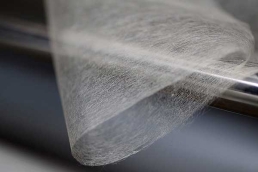
Most Western papers are made from short wood pulp fibers. Washi, by contrast, is made from long fibers derived from plants such as Kozo, Mitsumata, and Gampi. These fibers create a paper that is both strong and flexible, even at extremely light weights.
This structure allows Washi to perform exceptionally well in conservation settings where strength, reversibility, and minimal visual impact are essential.


Key Conservation Properties
- Long Fiber Strength
Washi fibers interlock to create strength without bulk, allowing for repairs that are both durable and unobtrusive. - Acid-Free and pH Neutral
High-quality Washi is naturally acid-free and pH neutral, making it suitable for long-term preservation without contributing to degradation. - Archival Stability
Washi is widely regarded as an archival-grade material suitable for museum collections and long-term conservation standards. - Flexibility and Workability
It can be shaped, layered, and adhered with precision, making it ideal for detailed repair work. - Reversibility
When used with appropriate adhesives, Washi repairs can be reversed without damaging the original material, which is a core principle in conservation.
Washi vs Western Paper in Conservation
Understanding the difference between Washi and Western paper helps explain why it is so widely used in restoration work.
Washi Paper
- Made from long plant fibers
- High tensile strength even at low weights
- Flexible and conformable
- Minimal bulk when applied
- Long lifespan
Western Paper
- Made from short wood pulp fibers
- More prone to brittleness over time
- Less flexible in thin formats
- Can introduce stress at repair points
For delicate documents, artworks, and manuscripts, this difference is critical.


Best Uses for Washi Paper in Conservation
Washi paper is used across a wide range of conservation applications. The specific type and weight of paper will vary depending on the object and the level of intervention required.
Common Applications
- Tear Repair and Mending
Ultra-thin Washi papers such as Tengujo are often used to mend tears in fragile documents with minimal visual impact. - Hinging and Mounting
Lightweight Washi provides secure but reversible hinges for artworks and prints. - Lining and Backing
Stronger Kozo papers are used to reinforce weakened materials or provide structural support. - Infills and Loss Compensation
Washi can be toned or layered to visually integrate areas of loss. - Book and Manuscript Repair
Its flexibility and strength make it ideal for repairing pages, spines, and bindings.
Recommended Fiber Types for Conservation Work
- Different fibers offer different characteristics. Choosing the right one depends on the needs of the object.
- Kozo
Known for its long, strong fibers. Ideal for structural repairs, lining, and reinforcement. - Mitsumata
Softer and more refined. Often used where a smoother surface and subtle finish are desired. - Gampi
Naturally dense and smooth. Offers excellent dimensional stability and a slightly glossy surface.
How to Choose the Right Washi Paper
Selecting the right Washi paper involves balancing several factors.
Consider the Following
- Weight (GSM)
Lighter papers are less visible and ideal for delicate repairs. Heavier papers provide more support. - Transparency
Highly transparent papers blend more seamlessly into original materials. - Strength vs Flexibility
Stronger papers are better for structural work. Softer papers conform more easily to surfaces. - Surface Texture
Some applications require a smooth finish, while others benefit from more texture. - Application Type
Repair, hinging, lining, and infill work all require different characteristics.
If you are evaluating materials for a specific project, requesting samples is often the best way to compare performance before making a selection.


When Washi May Not Be the Right Choice
While Washi is highly versatile, it is not always the ideal material.
Situations that may require alternative materials include:
- Highly rigid substrates where flexibility is not desired
- Applications requiring machine-made uniformity at scale
- Projects where surface finish must exactly match modern paper stock
Understanding both the strengths and limitations of Washi ensures better outcomes in conservation work.
A Material Designed to Last
One of the defining characteristics of Washi paper is its longevity. When properly used and stored, it can remain stable for hundreds of years.
This durability, combined with its compatibility with conservation methods, is why Washi continues to be trusted in the preservation of some of the world’s most important documents and artworks.
Explore Washi Papers for Conservation
Whether you are repairing a fragile document, reinforcing a historic text, or working on a fine art piece, selecting the right paper matters.
Explore our conservation and restoration papers to find materials suited for your work, or request samples to evaluate texture, strength, and fiber composition before making a decision.